Foods High in Potassium: Your Complete Guide to Nutrient-Rich Eating
Introduction
Your heart races, muscles cramp, and fatigue overwhelms you—all signs your body desperately needs potassium. This essential mineral powers everything from your heartbeat to muscle function, yet 98% of Americans fall short of their daily requirements. Getting enough potassium through the right foods transforms your energy levels, strengthens bones, and protects your cardiovascular system naturally. This guide reveals the best foods high in potassium and how to make them part of your everyday meals.
Why Potassium Matters for Your Health
Potassium regulates fluid balance, nerve signals, and muscle contractions throughout your body. Your cells depend on this mineral to maintain proper electrical charge and communicate effectively.
Without adequate potassium intake, your body struggles with basic functions. Blood pressure rises, kidney stones form more easily, and bone density decreases over time. According to the National Institutes of Health, adults need 2,600-3,400 mg daily depending on age and gender.
Athletes lose significant potassium through sweat during intense workouts. Replacing these losses prevents cramping and maintains peak performance during training sessions.
Top Foods High in Potassium: The Ultimate List
Fruits Packed with Potassium
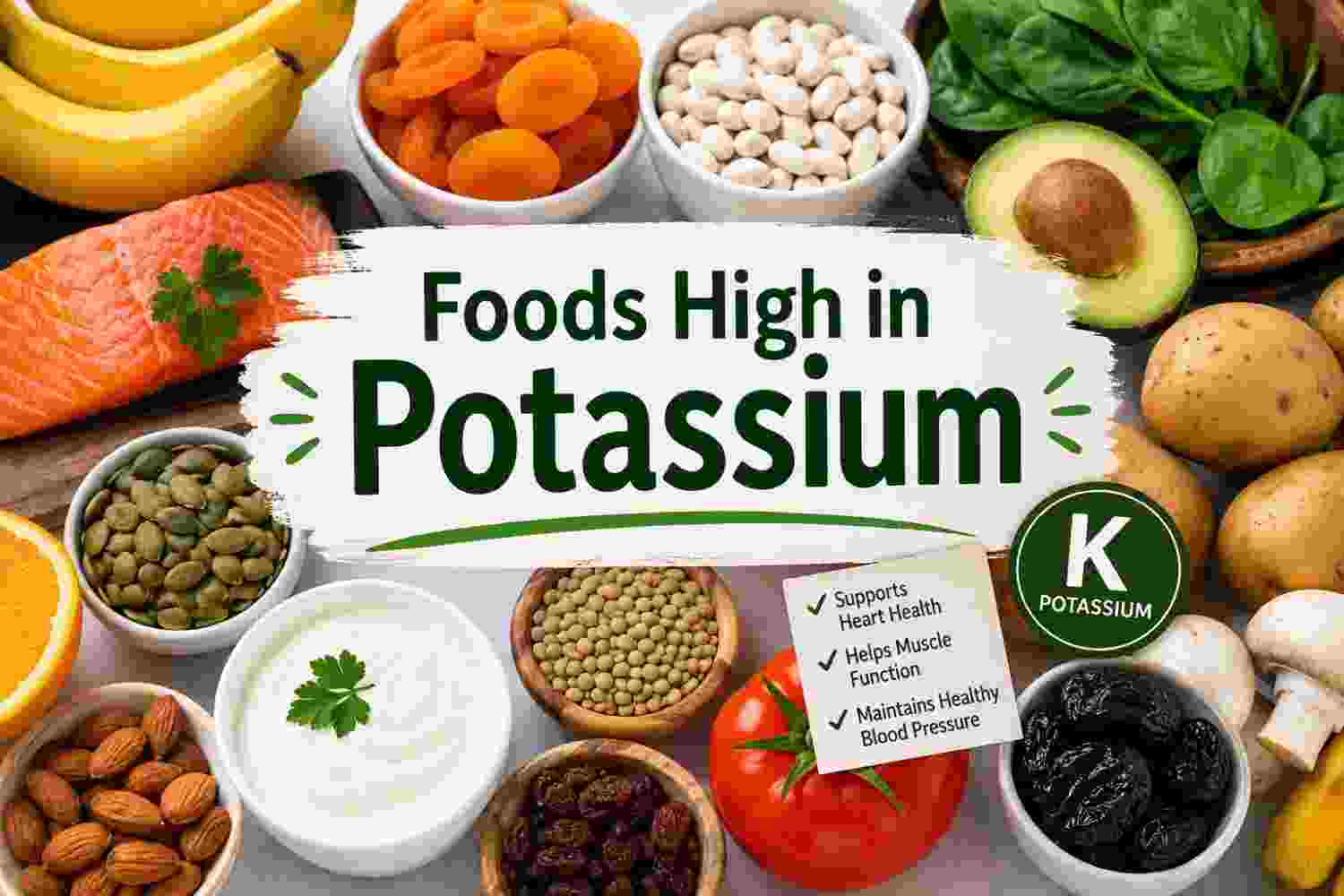
Bananas lead the fruit category with 422 mg per medium-sized piece. They’re portable, affordable, and perfect for pre-workout fuel.
Avocados deliver 690 mg per fruit while providing healthy fats and fiber. Add them to salads, smoothies, or toast for nutrient-dense meals.
Cantaloupe and honeydew melon offer refreshing hydration alongside 473 mg and 388 mg per cup respectively. These summer favorites make excellent breakfast additions.
Dried apricots concentrate potassium to impressive levels—1,511 mg per cup. Keep them handy as convenient snacks between meals.
Vegetables Rich in Potassium
Sweet potatoes provide 542 mg per medium potato with added vitamin A benefits. Bake them whole or mash for satisfying side dishes.
Spinach contains 839 mg per cooked cup, making it one of the best foods high in potassium. Sauté with garlic or blend into green smoothies.
White potatoes with skin intact deliver 926 mg per medium potato. Roast or steam them instead of frying to maximize nutritional value.
Beet greens supply 1,309 mg per cooked cup—often discarded but incredibly nutritious. Treat them like spinach in recipes for maximum benefit.
Protein Sources High in Potassium
Wild-caught salmon combines 534 mg of potassium with omega-3 fatty acids in every 3-ounce serving. Grill or bake with herbs for heart-healthy dinners.
White beans pack 1,004 mg per cup while offering plant-based protein and fiber. Toss them into soups, salads, or make homemade hummus variations.
Lentils contribute 731 mg per cooked cup and cook faster than other legumes. They absorb flavors beautifully in curries and stews.
Chicken breast provides 332 mg per 3-ounce serving alongside lean protein. Pair with potassium-rich vegetables for balanced meals.
Dairy and Alternatives for Potassium
Plain yogurt offers 573 mg per cup with beneficial probiotics for gut health. Choose unsweetened varieties and add fresh fruit for natural sweetness.
Milk supplies 366 mg per cup whether you choose dairy or fortified soy versions. Both support bone health through calcium and vitamin D.
Kefir delivers similar potassium content to yogurt with enhanced probiotic diversity. Drink it straight or blend into smoothie bowls.
How Much Potassium Do You Actually Need?
The American Heart Association recommends 2,600 mg daily for adult women and 3,400 mg for adult men. Pregnant and breastfeeding women require slightly higher amounts.
Children need less based on age:
- Ages 1-3: 2,000 mg
- Ages 4-8: 2,300 mg
- Ages 9-13: 2,500 mg
- Ages 14-18: 3,000 mg for boys, 2,300 mg for girls
Your individual needs increase with physical activity levels, medication use, and certain health conditions. Consult healthcare providers before making dramatic dietary changes.
Best Ways to Prepare Potassium-Rich Foods
Steaming vegetables preserves more potassium than boiling, which leaches minerals into cooking water. Use a steamer basket or microwave-safe container with minimal water.
Roasting concentrates flavors while maintaining nutrient content. Toss vegetables in olive oil and roast at 425°F until tender.
Raw consumption maximizes potassium retention in fruits and vegetables. Wash thoroughly and enjoy as snacks or salad components.
Grilling proteins adds smoky flavor without excess fat. Marinate fish or chicken in citrus and herbs before cooking.
Foods High in Potassium for Special Diets
Plant-Based Options
Vegans and vegetarians access abundant potassium through beans, lentils, nuts, seeds, and leafy greens. Combine various sources throughout the day to meet requirements easily.
Hemp seeds contain 360 mg per 3 tablespoons with complete protein. Sprinkle over oatmeal, salads, or yogurt bowls.
Almonds supply 208 mg per ounce alongside vitamin E and healthy fats. Pair with dried fruit for balanced snacking.
Low-Carb Choices
Keto and low-carb dieters can choose avocados, leafy greens, salmon, and mushrooms. These foods high in potassium fit macro requirements while providing essential minerals.
Portobello mushrooms deliver 630 mg per cup when cooked. Grill them as meat alternatives or chop into scrambles.
Signs You’re Not Getting Enough Potassium
Muscle weakness and cramps signal early potassium deficiency, especially during exercise. Persistent cramping despite hydration indicates deeper imbalances.
Fatigue and sluggishness affect productivity when cells can’t maintain proper electrical function. Energy levels plummet even with adequate sleep.
Heart palpitations or irregular rhythms require immediate medical attention. Potassium directly influences heart muscle contractions and rhythm stability.
Digestive issues like constipation occur when smooth muscle function declines. Adequate potassium supports healthy digestive movement.
Balancing Potassium with Sodium Intake
Your sodium-potassium ratio matters more than either mineral alone. Americans consume excessive sodium while lacking potassium, creating cardiovascular stress.
Aim for a 1:2 sodium-to-potassium ratio by reducing processed foods. Most packaged items contain high sodium and minimal potassium.
According to the FDA, limiting sodium to 2,300 mg daily while increasing potassium intake reduces blood pressure naturally. This combination protects against stroke and heart disease more effectively than addressing either mineral separately.
Sample Meal Plan with Foods High in Potassium
Breakfast (850 mg potassium)
- 1 cup plain Greek yogurt
- 1/2 cup sliced banana
- 2 tablespoons chopped almonds
- Drizzle of honey
Lunch (1,100 mg potassium)
- Spinach salad with 2 cups fresh greens
- 4 oz grilled salmon
- 1/2 avocado, sliced
- Balsamic vinaigrette
Dinner (1,200 mg potassium)
- Baked sweet potato with skin
- 4 oz chicken breast
- 1 cup steamed broccoli
- Side salad with tomatoes
Snacks (450 mg potassium)
- 1/4 cup dried apricots
- Carrot sticks with hummus
Daily Total: Approximately 3,600 mg potassium
Who Needs Extra Potassium?
Athletes training intensely lose significant potassium through sweat and need higher intake for recovery. Endurance athletes particularly benefit from strategic potassium timing around workouts.
People taking diuretics for blood pressure or heart conditions often experience potassium depletion. Medication increases urinary potassium excretion significantly.
Those with high blood pressure improve readings by increasing potassium-rich foods. This mineral counteracts sodium’s blood pressure effects naturally.
Individuals with digestive disorders may absorb less potassium from foods. Conditions like Crohn’s disease or chronic diarrhea require monitoring and possible supplementation.
When to Avoid Too Much Potassium
Kidney disease patients must limit potassium carefully since damaged kidneys can’t excrete excess amounts. Hyperkalemia becomes dangerous without proper management.
Work with nephrologists and dietitians to determine safe intake levels. Blood tests monitor potassium status during treatment adjustments.
Certain medications like ACE inhibitors and potassium-sparing diuretics raise blood potassium levels. Combining these with high-potassium diets creates health risks.
Always inform doctors about dietary changes when taking prescribed medications. They may adjust dosages or recommend specific intake limits.
Potassium Absorption and Bioavailability
Your body absorbs 85-90% of potassium from foods high in potassium naturally. This excellent bioavailability makes whole foods superior to supplements.
Fiber content doesn’t significantly reduce potassium absorption unlike some other minerals. Enjoy potassium-rich foods with fiber for combined benefits.
Cooking methods affect potassium levels in vegetables. Boiling leaches up to 50% into cooking water, so use that liquid in soups or sauces.
Pairing with magnesium supports potassium function inside cells. Foods like nuts, seeds, and whole grains provide both minerals together.
Common Myths About Potassium
Myth: Bananas are the highest potassium source
Truth: While bananas contain good amounts, sweet potatoes, white beans, and beet greens offer significantly more per serving.
Myth: You can’t get too much potassium from food
Truth: Though rare, excessive intake from foods high in potassium combined with kidney dysfunction causes problems.
Myth: Salt substitutes are safe for everyone
Truth: Potassium-based salt substitutes concentrate potassium dangerously for people with kidney issues or on certain medications.
Myth: Supplements work better than food
Truth: Whole foods provide potassium alongside fiber, vitamins, and other minerals that work synergistically for better health outcomes.
Quick Reference Table: Foods High in Potassium
| Food | Serving Size | Potassium (mg) | Calories |
|---|---|---|---|
| Beet greens (cooked) | 1 cup | 1,309 | 39 |
| White beans (cooked) | 1 cup | 1,004 | 299 |
| Potato with skin (baked) | 1 medium | 926 | 163 |
| Spinach (cooked) | 1 cup | 839 | 41 |
| Sweet potato (baked) | 1 medium | 542 | 103 |
| Avocado | 1 whole | 690 | 227 |
| Salmon (wild) | 3 oz | 534 | 155 |
| Cantaloupe | 1 cup | 473 | 53 |
| Banana | 1 medium | 422 | 105 |
| Yogurt (plain) | 1 cup | 573 | 149 |
| Chicken breast | 3 oz | 332 | 128 |
| Almonds | 1 oz | 208 | 164 |
Frequently Asked Questions
What foods are highest in potassium?
Beet greens, white beans, and baked potatoes with skin contain the most potassium per serving. Other excellent sources include spinach, sweet potatoes, avocados, and salmon.
Can I get enough potassium without supplements?
Yes, most people meet their potassium needs through diverse diets featuring fruits, vegetables, legumes, and lean proteins. Supplements are rarely necessary unless prescribed by healthcare providers.
Do bananas really have the most potassium?
No, bananas contain moderate potassium (422 mg) compared to foods like beet greens (1,309 mg) or white beans (1,004 mg). Bananas remain convenient and nutritious despite not being the highest source.
How quickly can I increase my potassium levels?
Your body absorbs dietary potassium within hours, though normalizing deficiency takes several days of consistent intake. Severe deficiency requires medical supervision and possible supplementation.
Are canned vegetables still high in potassium?
Canned vegetables retain most potassium but often contain added sodium. Choose low-sodium varieties and rinse before eating to reduce salt content while maintaining mineral benefits.
Can too much potassium be dangerous?
Yes, hyperkalemia (high blood potassium) causes serious heart rhythm problems, particularly in people with kidney disease. Healthy kidneys typically excrete excess potassium from foods high in potassium without issue.
Conclusion
Building your meals around foods high in potassium transforms your health from the cellular level up. Start by adding one or two potassium-rich foods to each meal—swap regular potatoes for sweet potatoes, toss spinach into smoothies, or snack on dried apricots instead of chips. Your heart, muscles, and bones will thank you for prioritizing this essential mineral.
Track your intake for one week to identify gaps in your current eating patterns. Small, consistent changes create lasting results better than dramatic overhauls. Which potassium-rich food will you add to your grocery list today?